
Are you tired of juggling endless tasks every day? Imagine having a tool that handles repetitive work for you, freeing up your time to focus on what really matters—growing your business.
Choosing the best automation tool can transform your daily routine, boost your productivity, and reduce stress. You’ll discover the top automation solutions designed specifically for small business owners like you. Keep reading to find the perfect fit that will simplify your workflow and help your business thrive.
Credit: www.pragmaticcoders.com
Benefits Of Automation For Small Businesses
Automation helps small businesses work smarter and faster. It takes care of routine tasks. This lets owners focus on growing their business. Many small businesses see clear improvements after using automation tools. Benefits include saving time, fewer mistakes, better customer service, and lower costs.
Saving Time And Reducing Errors
Automation handles repetitive tasks quickly. It reduces the chance of human errors. For example, invoicing and data entry become faster and more accurate. This frees up time for owners and staff to do other important work. Less time spent on routine jobs means more time for creativity and planning.
Enhancing Customer Experience
Automation improves how businesses interact with customers. It can send quick replies to common questions. Automated follow-ups remind customers about orders or appointments. This makes customers feel valued and supported. A smooth experience keeps customers coming back and builds trust.
Cutting Operational Costs
Automation reduces the need for extra staff to handle simple tasks. It lowers mistakes that cost money to fix. Businesses can run with fewer resources and still stay productive. This leads to better use of money and higher profits. Small businesses can invest savings in growth and new projects.

Credit: www.lindy.ai
Key Features To Look For
Choosing the right automation tool is important for small business owners. The right tool saves time and cuts costs. It should fit your business needs well. Not every tool works the same for all businesses. Focus on features that help your daily tasks and growth. Here are key features to consider before making a choice.
User-friendly Interface
Easy-to-use software helps you and your team work faster. A clear layout with simple menus reduces training time. Look for tools with drag-and-drop options or clear buttons. Avoid tools that require complex coding or technical skills. An intuitive interface means fewer mistakes and less frustration.
Integration With Existing Tools
Your automation tool must work well with current software. It should connect smoothly with email, accounting, or CRM systems. This saves you from manual data entry and errors. Check if it supports popular apps you already use. Good integration means your workflow stays smooth and efficient.
Scalability And Customization
Choose a tool that grows with your business needs. It should handle more tasks as your business expands. Custom options let you tailor the tool to your unique processes. Avoid rigid tools that cannot adapt or add new features. A scalable and customizable tool saves money and effort long-term.
Top Automation Tools For Small Business
Automation tools help small businesses save time and reduce errors. They make daily tasks easier and improve work quality. Choosing the right tool can boost productivity and help manage growth smoothly.
Workflow Automation Platforms
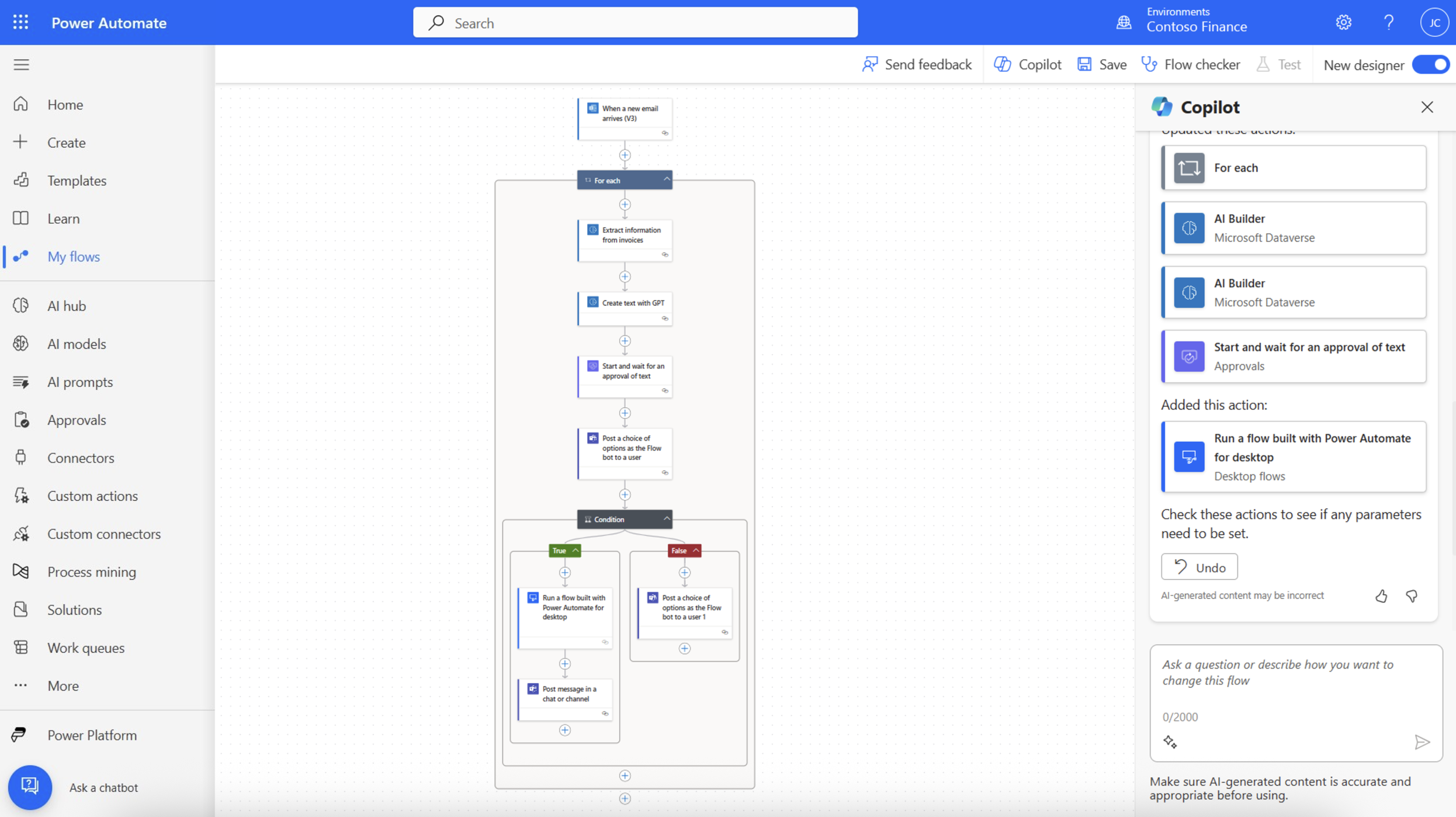
Workflow automation platforms connect different apps to run tasks automatically. They handle repetitive work like data entry and notifications. Popular options include Zapier and Integromat. These tools require no coding skills and save hours of manual work.
Marketing Automation Software
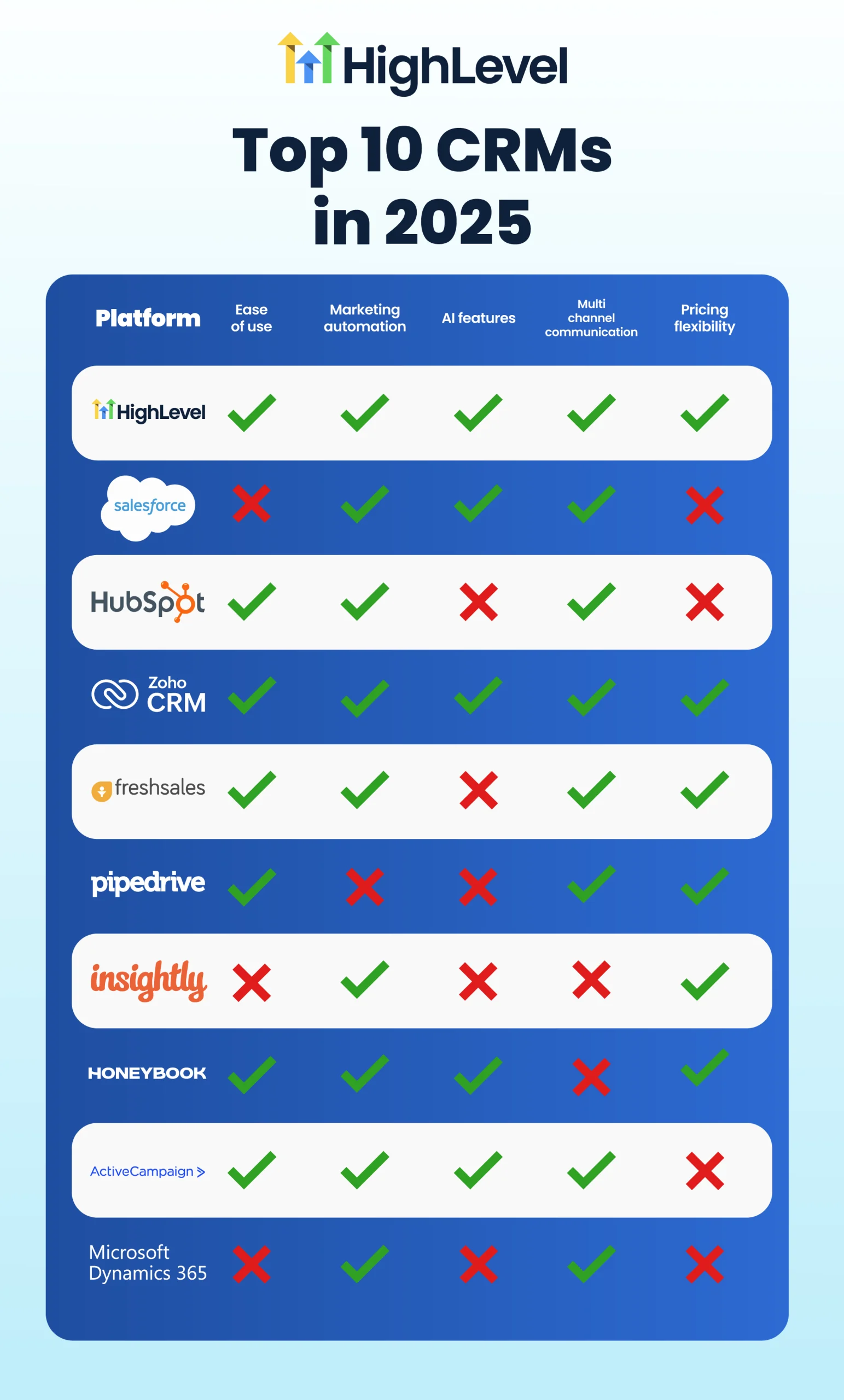
Marketing automation software manages campaigns and customer outreach. It sends emails, tracks leads, and schedules posts. Tools like Mailchimp and ActiveCampaign help small businesses reach more customers. They improve marketing efficiency and keep customers engaged.
Customer Relationship Management (crm) Tools
CRM tools organize customer data and interactions in one place. They track sales, manage contacts, and offer insights. Examples include HubSpot CRM and Zoho CRM. These tools help build stronger relationships and increase sales opportunities.
Choosing The Right Tool For Your Needs
Choosing the right automation tool for your small business is a key step. It helps save time and reduces errors in daily tasks. The right tool fits your business needs and budget. It also offers good support and easy use. This section guides you through simple steps to pick the best tool.
Assessing Business Goals
Start by listing your main business goals. Do you want to improve sales, manage customers, or automate emails? Knowing your goals helps narrow down tool choices. Choose tools that match your most important tasks. Clear goals make it easier to measure success later.
Budget Considerations
Set a budget before searching for tools. Some tools have monthly fees, others charge once. Look for tools with features you need within your budget. Avoid paying for extra features you won’t use. Affordable tools can still offer great value and help grow your business.
Trial And Support Options
Try free trials to test how the tool works. See if it is easy to use and fits your workflow. Check if the company offers good customer support. Quick help saves time and avoids frustration. Choose tools with clear guides, tutorials, and fast support.
Tips For Successful Automation Implementation
Automation can save time and reduce errors in small businesses. Success depends on how you implement it. Careful planning and gradual steps improve results.
Focus on simple tasks first. Learn and adjust before adding more automation. This approach lowers risks and builds confidence.
Start Small And Scale Gradually
Choose one or two easy tasks to automate first. Avoid changing everything at once. Small wins show the benefits clearly. Gradually add more processes as you learn. This method helps avoid overwhelm and costly mistakes.
Train Your Team
Make sure your team understands the new tools. Provide clear instructions and demonstrations. Encourage questions and offer support. Trained staff use automation more effectively. They spot issues early and suggest improvements.
Monitor And Optimize Processes
Check how automation performs regularly. Look for delays, errors, or confusing steps. Use data to find weak points. Adjust settings or change workflows to improve results. Continuous improvement keeps automation efficient and valuable.
Credit: zapier.com
Frequently Asked Questions
What Is The Best Automation Tool For Small Businesses?
The best automation tool simplifies tasks like marketing, sales, and customer support. It should be affordable, user-friendly, and scalable. Popular options include Zapier, HubSpot, and Mailchimp, which integrate well with small business needs and improve efficiency.
How Can Automation Tools Save Time For Small Business Owners?
Automation tools handle repetitive tasks automatically, freeing up your time. They streamline workflows, reduce errors, and improve productivity. This allows owners to focus on strategic growth and customer engagement rather than manual processes.
Are Automation Tools Cost-effective For Small Businesses?
Yes, automation tools often reduce labor costs and increase efficiency. Many offer affordable plans tailored for small businesses. The time saved and improved accuracy typically lead to a strong return on investment.
Which Tasks Can Small Businesses Automate Effectively?
Small businesses can automate email marketing, social media posting, invoicing, customer follow-ups, and inventory management. Automating these tasks reduces workload and improves consistency, helping businesses grow smoothly.
Conclusion
Choosing the right automation tool saves time and reduces errors. Small business owners can focus more on growth and less on routine tasks. A good tool fits your needs and budget without complexity. Start with simple features and expand as you learn.
Automation helps manage work easily and keeps things organized. Try different options before deciding what works best. Smart use of automation supports success and daily efficiency.